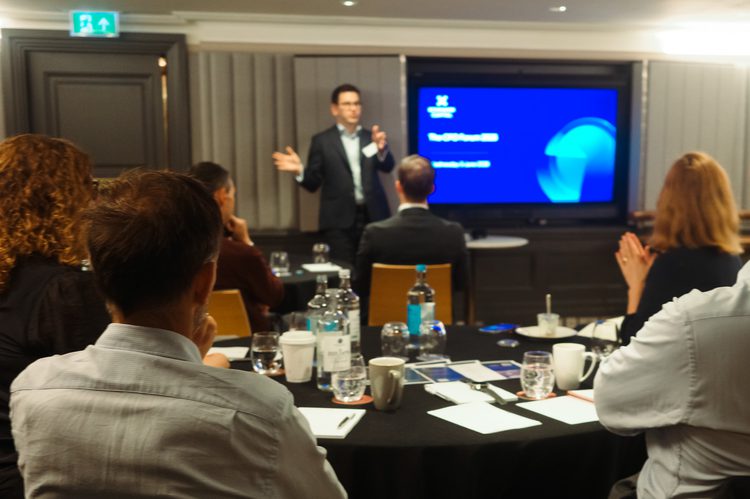
Three points stood out:
1, The CFO now sits at the centre of AI adoption
The finance leaders having the greatest impact are not waiting for the CTO to hand them a roadmap. They are choosing which use cases to back, aligning technology spend with commercial outcomes, and building the cross-functional support to implement change quickly, well beyond finance.
2. Operational efficiency has become a growth engine
With sales cycles lengthening, profit growth is being won on the cost side as much as the top line. CFOs are deciding where resource is concentrated and where it is withdrawn, building leaner, more agile organisations that protect margin – without starving the parts of the business that need to grow.
3. Technology alone changes little
Equipping a team for an AI-enabled future is less about the tech stack than about the work around it: redefining roles, closing capability gaps and rebuilding processes so human and automated tasks fit together. The businesses treating this as a process problem, not a software purchase, are pulling ahead.
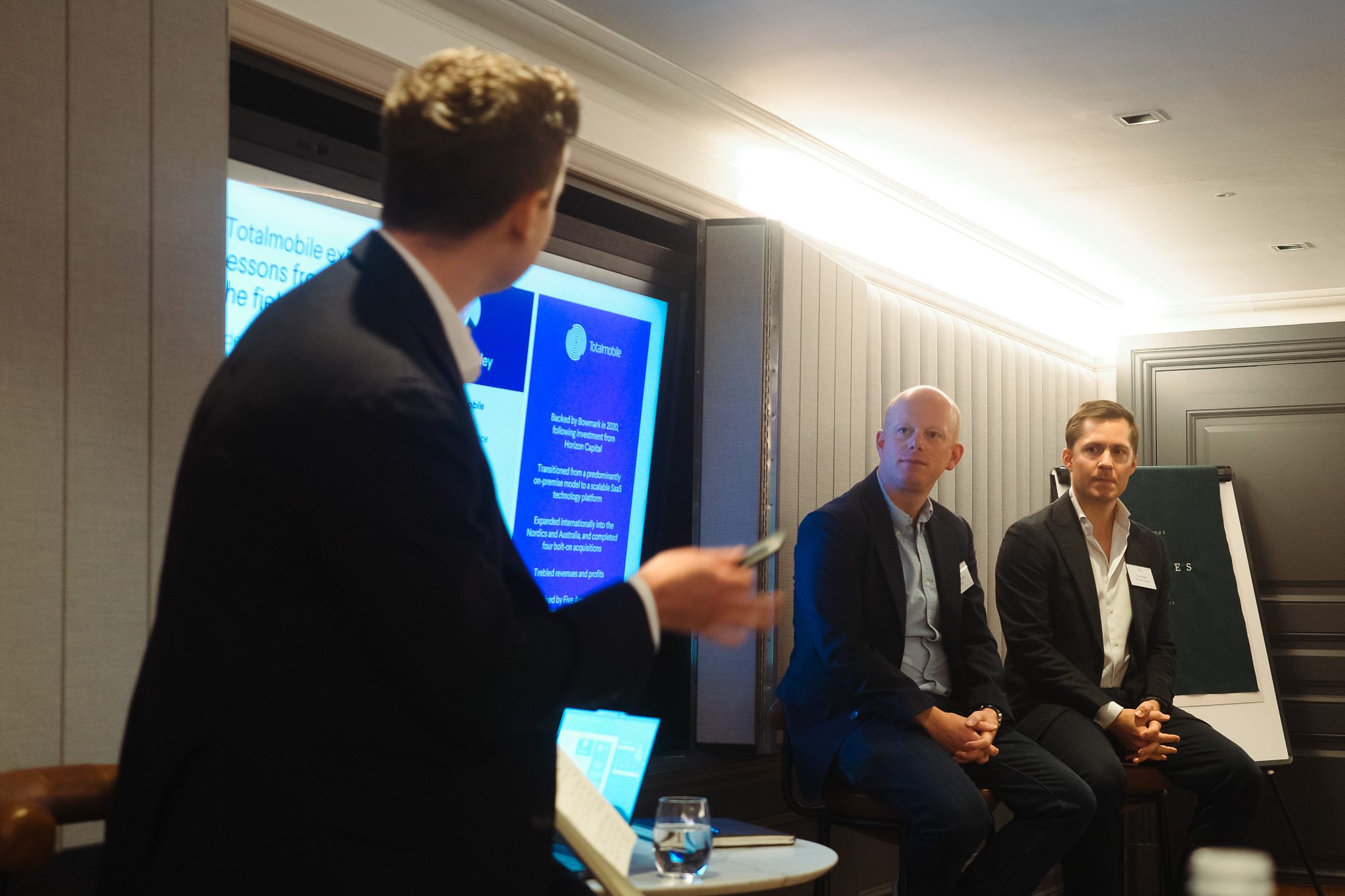
As James Pizey, CFO of Eque2, put it: “The CFO’s role in organisation-wide AI adoption should extend beyond governance and guardrails. It should include enabling better data, redesigning processes and solving business problems.
“At Eque2, we focused on fixing the data first. We then built a self-service agent on Microsoft Fabric that allows colleagues to ask questions such as ‘What is customer X’s NRR?’ and receive an instant answer. That came from finance, not the CTO.”
In this environment, finance leadership is value-creation work, not a support function. Our thanks to the speakers and portfolio companies who contributed to the discussion.

Words by Sam Price
Jun 09, 2026
In the news
1 September 2026
Bowmark and PiP celebrate 10 years of partnership
Read more
17 August 2026
Bowmark Capital invests in leading events, media and intelligence platform InfraXmedia
Read more
23 July 2026
Bowmark Capital invests in SFG20, the UK industry standard for building maintenance specification
Read more